Essential Maintenance Tips for Keeping Your Ride Reliable
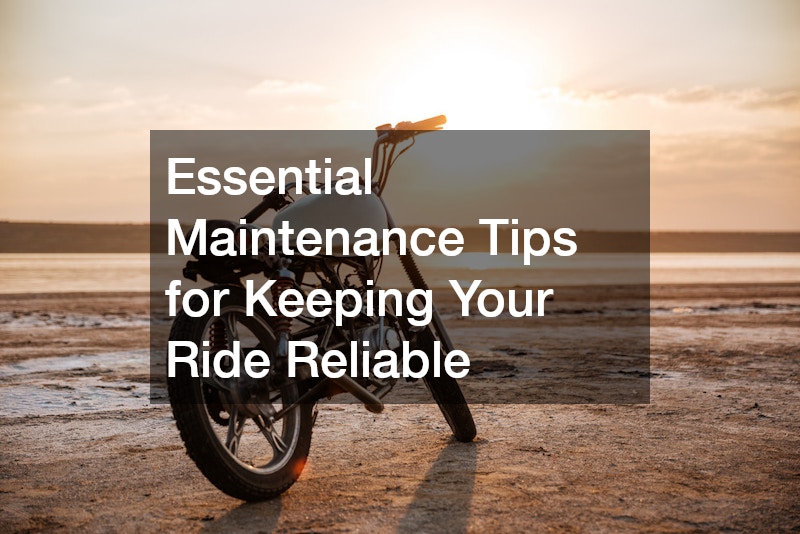
Reliability doesn’t happen by chance. It’s the result of consistent care, attention to detail, and a willingness to address small issues before they become major problems. Whether someone rides daily or only on weekends, keeping a vehicle in top condition is essential for both performance and safety.
Many riders focus on upgrades and appearance, but long-term reliability comes from routine maintenance and smart decision-making. A well-maintained ride not only performs better but also holds its value longer and reduces the likelihood of unexpected breakdowns. It also creates a more predictable and enjoyable riding experience, where performance feels consistent rather than uncertain.
By focusing on consistent maintenance, early problem detection, and smart decision-making, riders can reduce unexpected breakdowns, extend the life of key components, and maintain a more dependable and enjoyable ride over time.
Build a Consistent Maintenance Routine
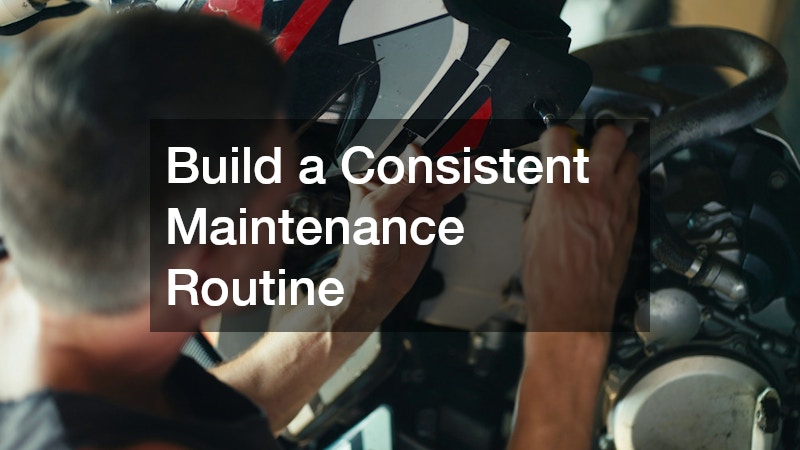
Creating a routine is one of the simplest and most effective ways to maintain reliability. For owners of a Harley Davidson motorcycle, consistency is especially important due to the performance demands and mechanical complexity of these machines. A well-established routine not only streamlines regular maintenance but also helps riders develop a keen awareness of their motorcycle’s unique quirks and patterns. Over time, this familiarity enables the early detection of subtle changes—like slight noises, vibrations, or shifts in responsiveness—that might otherwise go unnoticed. Sticking to a routine also builds discipline, making it less likely for essential checks and services to be postponed or forgotten. Ultimately, a dedicated maintenance routine lays the groundwork for a safer, more predictable, and enjoyable riding experience.
A strong maintenance routine should include:
- Checking tire pressure and tread condition before rides
- Inspecting lights, signals, and electrical components
- Monitoring fluid levels and looking for leaks
- Testing brakes and throttle response
These checks may seem basic, but they play a major role in preventing larger issues. Catching something as simple as low tire pressure or a worn brake pad early can prevent dangerous situations and costly repairs.
Regular Harley maintenance goes beyond quick checks. It involves following manufacturer-recommended service intervals and documenting completed work. Keeping a maintenance log helps track patterns, making it easier to spot recurring problems or components that wear out faster than expected.
Over time, this routine becomes second nature. Riders who build consistent habits tend to notice subtle changes more quickly, allowing them to respond before issues escalate. The goal is to stay proactive rather than reactive, reducing both stress and long-term costs.
Optimize Performance With Regular Testing
Performance naturally changes over time as components wear and conditions shift. Regular testing helps identify inefficiencies before they impact reliability or ride quality.
Beyond dyno tuning, riders can perform periodic road tests to assess acceleration, braking, and handling under real-world conditions. Monitoring engine diagnostics, such as error codes or abnormal sensor readings, can reveal hidden issues that might not yet affect everyday performance. Simple checks—like listening for unusual sounds, feeling for vibrations, or noting a drop in fuel economy—can provide early warning signs of underlying problems.
Dyno tuning is one method for measuring and adjusting engine performance. By analyzing power output and fuel efficiency, riders can make precise adjustments to improve responsiveness and overall performance. Incorporating both technical measurements and hands-on evaluation ensures a comprehensive approach to optimizing performance and maintaining long-term reliability.
Signs that performance may need attention include:
- Reduced acceleration or sluggish throttle response
- Decreased fuel efficiency
- Inconsistent engine behavior
These changes don’t always happen suddenly. Often, performance gradually declines, making it easy to overlook. Testing provides objective data that removes guesswork and highlights exactly where improvements can be made.
It’s also important to strike a balance. Pushing for maximum performance without considering long-term durability can lead to additional strain on engine components. Proper tuning should enhance performance while preserving reliability, ensuring the vehicle remains dependable over time.
Address Small Repairs Before They Escalate
Ignoring minor issues is one of the fastest ways to turn a manageable problem into a costly repair. Whether it’s a strange noise, vibration, or visible damage, early attention is key.
Routine auto repair services can help diagnose problems before they worsen. Even small issues, such as loose components or minor leaks, can have a ripple effect if left unaddressed.
Cosmetic concerns should also be taken seriously. Dent removal may seem purely aesthetic, but damage to exterior surfaces can expose underlying materials to moisture and corrosion. Over time, this can weaken structural integrity and lead to more extensive repairs.
Common warning signs to watch for include:
- Unusual vibrations or sounds
- Visible wear or damage to components
- Changes in handling or performance
Addressing these issues early not only saves money but also helps maintain the vehicle’s overall condition. It ensures that small fixes stay small rather than becoming major disruptions. Additionally, prompt attention to minor repairs can preserve the integrity of critical systems, prevent safety hazards, and minimize downtime.
By cultivating the habit of immediate response to small problems, riders foster a mindset of vigilance and responsibility that supports long-term reliability. Over time, this approach builds confidence in the vehicle and allows riders to enjoy every journey with fewer interruptions.
Maintain a Safe and Responsive Suspension System
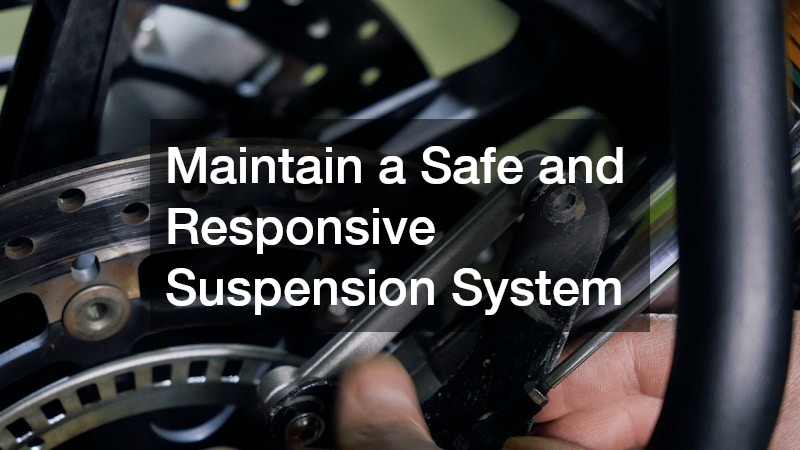
The suspension system plays a critical role in ride quality and safety. It absorbs impact, maintains stability, and ensures consistent contact with the road.
When the suspension begins to wear, it affects more than comfort. It can reduce control, especially during turns or sudden stops. Worn suspension components may also cause uneven tire wear, increased stopping distances, and a harsher ride over rough surfaces. These issues not only compromise safety but can also accelerate wear on other parts of the motorcycle. Regularly checking for signs of leaking shocks, sagging forks, or abnormal noises can help catch problems early. Keeping the suspension system in optimal condition is essential for maintaining precise handling, rider confidence, and overall vehicle stability.
Suspension repair may be necessary if riders notice:
- Increased bouncing or instability
- Uneven tire wear
- Reduced control during turns or braking
Routine inspections should include checking shocks, forks, and mounting components. Over time, these parts can wear down or lose effectiveness, especially under heavy use.
Adjustments may also be needed based on riding conditions. Carrying additional weight or riding on rough terrain can place extra stress on the system. Proper tuning helps maintain balance and ensures a smoother, more controlled ride.
Keep Your Drivetrain Running Smoothly
The drivetrain is responsible for transferring power from the engine to the wheels. When it’s not functioning correctly, performance and reliability suffer immediately. A well-maintained drivetrain ensures smooth acceleration, responsive handling, and optimal fuel efficiency. Neglecting drivetrain issues can lead to increased wear on related components, such as the transmission and axles, and may result in costly repairs or even complete breakdowns on the road. Regular inspections and timely maintenance—such as lubricating moving parts, checking for unusual noises, and monitoring chain or belt tension—help prevent these problems. Being attentive to the drivetrain’s condition is crucial for both the longevity of the vehicle and the safety of every ride.
Transmission repair becomes necessary when riders experience:
- Difficulty shifting gears
- Slipping or delayed engagement
- Unusual noises during operation
These issues often start small but can worsen quickly if ignored. Regular maintenance, including fluid checks and inspections, helps prevent excessive wear.
Clean, properly maintained fluids play a major role in protecting internal components. They reduce friction, regulate temperature, and ensure smooth operation. Neglecting fluid maintenance can lead to overheating and increased wear, shortening the lifespan of the system.
A well-maintained drivetrain supports smooth acceleration, consistent performance, and long-term reliability.
Prepare for Unexpected Breakdowns
Even with proper maintenance, unexpected issues can still occur. Preparing for these situations helps reduce stress and improve safety.
Having access to towing services ensures that help is available when needed. Knowing who to call ahead of time can save valuable minutes during a breakdown.
Riders should also keep essential items on hand, such as:
- Basic tools for minor adjustments
- Emergency contact information
- Safety gear for roadside situations
Understanding how to respond is just as important. Moving to a safe location, staying visible, and assessing the situation calmly can prevent further complications.
Preparation doesn’t eliminate risk, but it makes challenges easier to manage and resolve.
Protect Yourself Financially and Legally

Maintenance extends beyond mechanical care. It also involves protecting yourself from financial and legal risks associated with riding.
Choosing the right auto insurance plans provides coverage for accidents, damage, or theft. Policies should be reviewed regularly to ensure they match current riding habits and needs.
In more serious situations, such as accidents involving injuries or disputes, a motorcycle accident lawyer may be necessary. Having access to legal guidance helps ensure that rights are protected and that situations are handled properly.
Important considerations include:
- Reviewing coverage limits and exclusions
- Keeping documentation up to date
- Understanding the steps to take after an incident
Being prepared in these areas reduces uncertainty and provides peace of mind, allowing riders to focus on the road rather than potential risks. Additionally, staying informed about local traffic laws, weather advisories, and recent recalls or safety notices can further reduce risk. Riders should periodically review their insurance policies and legal documents to ensure they are up to date and provide adequate protection. Keeping digital and physical copies of important documents—such as insurance cards, registration, and emergency contacts—readily accessible can make a significant difference during unexpected situations. Ultimately, thorough preparation empowers riders to handle unforeseen events with confidence and maintain control, regardless of road conditions.
Plan Seasonal Maintenance and Storage
Seasonal changes can significantly impact performance and condition. Preparing for these shifts involves more than basic maintenance; it requires adapting to temperature fluctuations, humidity, and varying road conditions. For instance, cold weather can affect battery performance and oil viscosity, while hot weather can accelerate fluid evaporation and tire wear. Riders should also consider seasonal hazards, such as road salt, debris, and increased rainfall, which can affect traction and corrosion. Proactively adjusting both maintenance routines and riding strategies for each season helps ensure continuous reliability and safety, no matter the time of year. helps prevent damage and ensures readiness.
For colder months:
- Store the vehicle in a dry, protected space
- Maintain battery health with regular checks
- Use protective coverings to prevent moisture buildup
For warmer seasons:
- Inspect tires and fluids before increased use
- Check cooling systems and airflow components
- Address any issues that developed during storage
Seasonal preparation helps extend the vehicle’s life and reduces the likelihood of unexpected problems when returning to regular use. In addition to preventive maintenance, consider adjusting your riding habits to match seasonal conditions. For example, in colder weather, allow extra time for your engine to warm up and be alert for slick or icy surfaces. In warmer months, pay close attention to tire pressure, as heat can cause fluctuations that impact handling. Regularly check for signs of corrosion or moisture buildup after storage periods, and promptly address any issues that may have developed during the off-season. By taking a proactive approach to seasonal changes, riders can minimize wear, ensure optimal performance, and enjoy a smoother transition back onto the road.
Build a Long-Term Maintenance Strategy
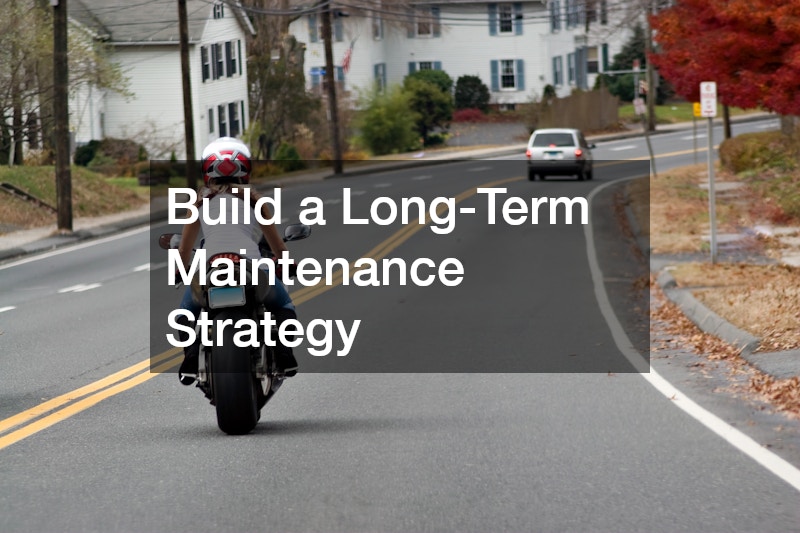
Reliability is built over time through consistent effort and informed decisions. A long-term strategy helps riders stay organized and avoid missed maintenance.
This includes:
- Setting regular inspection schedules
- Keeping detailed records of repairs and services
- Working with trusted professionals when needed
A structured approach makes maintenance more manageable. Instead of reacting to problems, riders can anticipate needs and plan accordingly.
Balancing do-it-yourself care with professional support ensures that all maintenance needs are covered. Over time, this approach reduces costs, improves performance, and extends the vehicle’s life.
Keeping a ride reliable requires more than occasional attention—it demands a consistent, proactive approach. By focusing on routine maintenance, addressing issues early, and staying prepared for unexpected situations, riders can enjoy better performance and greater peace of mind.
From daily inspections to long-term planning, every step contributes to maintaining safety, efficiency, and value. With the right habits and resources in place, reliability becomes a natural outcome rather than a constant concern.