How Long Does It Take to Charge an Electric Car at Home and on the Road?
Key Takeaways
- Electric vehicle charging times vary based on the charging level, battery size, and the vehicle’s maximum charging capability.
- Home charging is the most convenient option for daily use, with Level 2 chargers providing significantly faster charging than standard household outlets.
- Public DC fast chargers make long-distance travel more practical by recharging most batteries to a usable level in less than an hour.
- Weather conditions, battery charge level, and charger power can all affect how quickly an electric vehicle charges.
- Installing a home charging station can improve convenience and simplify overnight charging for everyday driving.
- Good charging habits and routine vehicle maintenance can help extend battery life and improve long-term ownership experience.
- Planning charging stops ahead of time makes road trips more efficient and helps reduce concerns about driving range.
Electric vehicles (EVs) are becoming a common sight on roads around the world. As more drivers switch from gasoline-powered cars to electric models, one of the most common questions they ask is, “How long does it take to charge an electric car?” Unlike filling a gas tank, charging an EV can take anywhere from less than 30 minutes to more than 24 hours, depending on several factors.
Understanding charging times is an important part of EV ownership. Knowing how different charging methods work helps drivers plan road trips, manage daily commutes, and decide whether installing a home charger is the right investment. It also helps reduce “range anxiety,” or the concern about running out of battery before reaching a charging station.
The good news is that most EV owners rarely need to wait for a full charge while going about their daily lives. Many simply plug in their vehicle overnight, allowing it to recharge while they sleep. By learning how charging works and what affects charging speed, drivers can make better decisions and enjoy a smoother ownership experience.
Understanding the Different Levels of EV Charging
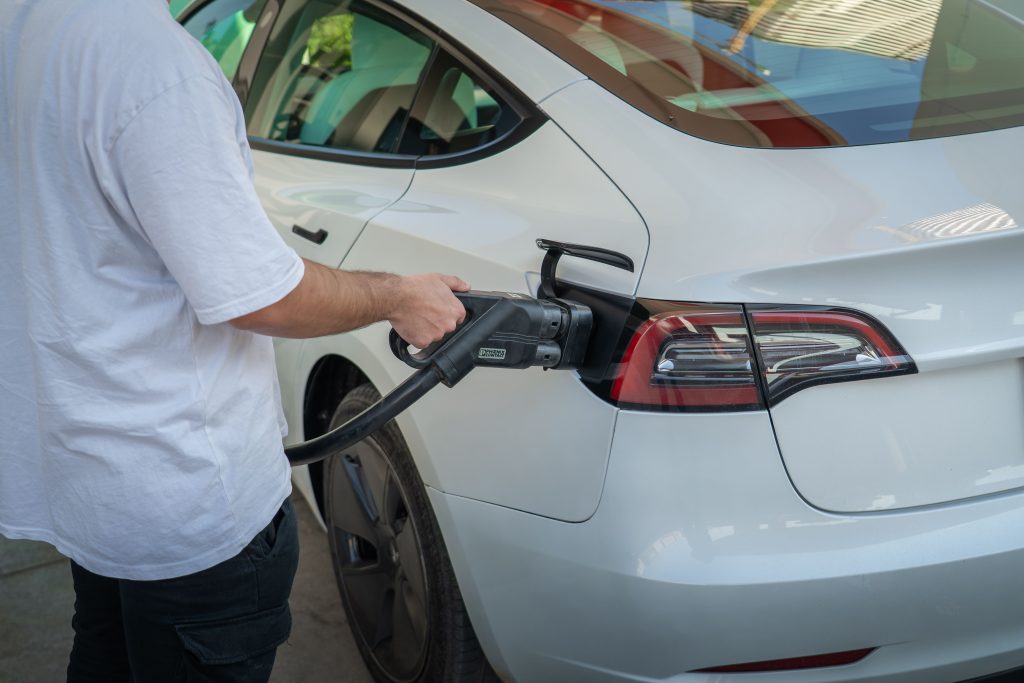
Electric vehicles can be charged using three primary charging levels. Each level delivers electricity at a different rate, which directly affects how long it takes to recharge the battery.
Level 1 charging uses a standard 120-volt household outlet. This method requires no special equipment and is often included with the vehicle. While convenient, it is also the slowest option and is generally best suited for drivers with short daily commutes or plug-in hybrid vehicles.
Level 2 charging uses a 240-volt outlet and is commonly installed in homes, workplaces, and public parking areas. It charges much faster than Level 1 and is the preferred choice for most EV owners.
DC fast charging, often called Level 3 charging, is available at dedicated public charging stations. These chargers deliver high-powered electricity directly to the battery, allowing many vehicles to recharge from 20% to 80% in less than an hour.
The three primary charging levels are:
- Level 1 (120-volt household outlet)
- Level 2 (240-volt home or public charger)
- DC Fast Charging (high-speed public stations)
How Long Does It Take to Charge an EV at Home?
Home charging is the most convenient option for most electric vehicle owners. Instead of visiting a gas station, drivers simply plug in their vehicle after arriving home and wake up to a fully charged battery the next morning.
Charging time depends largely on the type of charger being used. A Level 1 charger typically adds only 3 to 5 miles of driving range per hour. This means a full charge may take 20 to 40 hours for many fully electric vehicles. While this may sound slow, it can still be practical for people who drive relatively short distances each day.
A Level 2 charger dramatically reduces charging time by adding approximately 20 to 40 miles of range per hour, depending on the vehicle and charger. Most modern electric vehicles can reach a full charge in approximately 4 to 10 hours using a Level 2 home charger.
Because charging usually occurs overnight, many owners never notice the time required. Their vehicle is simply ready to drive each morning.
Typical home charging times include:
- Level 1: 20–40 hours for a full charge
- Level 2: 4–10 hours for a full charge
- Overnight charging works well for daily driving
Charging an Electric Car on the Road
Public charging stations allow EV drivers to recharge while traveling. These chargers vary in speed, with many highway charging stations offering DC fast charging to minimize waiting time.
Fast chargers typically restore a battery from about 20% to 80% within 20 to 45 minutes. Charging beyond 80% usually slows down to protect battery health, which is why many road-trip drivers stop charging once they reach that level before continuing their journey.
Public charging stations are commonly located near shopping centers, restaurants, hotels, and highway rest areas. This allows drivers to use charging time productively by eating, shopping, or taking a short break.
Planning charging stops ahead of time helps reduce travel stress and ensures a smoother trip.
Benefits of public charging include:
- Faster charging speeds
- Convenient highway locations
- Easy integration into road trips
- Reduced range anxiety
- Access while traveling
What Affects Charging Time?
Charging time is influenced by more than just the charger itself. Several factors determine how quickly electricity flows into the battery.
Battery size is one of the biggest factors. Vehicles with larger batteries naturally require more time to charge than models with smaller battery packs. The current battery level also matters. Charging from 10% to 80% takes much less time than charging from nearly empty to completely full.
Weather conditions can affect charging performance as well. Extremely cold temperatures may slow charging because batteries operate less efficiently in cold environments. Some EVs automatically warm the battery before fast charging to improve performance.
Finally, every vehicle has its own maximum charging capability. Even if a charger can deliver more power, the vehicle will only accept electricity up to its design limit.
Factors that influence charging speed:
- Battery size
- Battery state of charge
- Charger type
- Vehicle charging capacity
- Outdoor temperature
- Battery condition
Should You Charge Every Night?
Many new EV owners wonder whether they should plug in their vehicle every evening. The answer depends on driving habits and the manufacturer’s recommendations.
For most drivers, charging overnight with a Level 2 charger is both convenient and practical. Daily charging keeps the battery ready for unexpected trips while eliminating the need for frequent public charging.
However, many manufacturers recommend maintaining the battery between approximately 20% and 80% for everyday driving. Frequently charging to 100% may not be necessary unless preparing for a long journey.
Modern EVs often allow owners to schedule charging automatically. This feature can take advantage of lower overnight electricity rates while ensuring the battery reaches the desired charge level before morning.
Good charging habits include:
- Charge overnight when convenient
- Follow manufacturer recommendations
- Avoid unnecessary full charges
- Use scheduled charging features
- Monitor battery health
Installing a Home Charger
While a standard household outlet can charge an electric vehicle, many owners eventually install a dedicated Level 2 charger. This provides much faster charging and greater convenience.
Installation usually requires a qualified electrician to add a 240-volt circuit in the garage or driveway. The exact cost depends on the home’s electrical system and the distance from the electrical panel.
Although installing a charger requires an upfront investment, it often improves daily convenience and may increase a home’s appeal to future EV owners. Many local governments and utility companies also offer incentives or rebates that help reduce installation costs.
Choosing the right charger depends on both the vehicle and the household’s driving habits.
Before installing a home charger, consider:
- Electrical panel capacity
- Charging speed needs
- Installation costs
- Available rebates
- Future vehicle plans
Planning Longer Road Trips
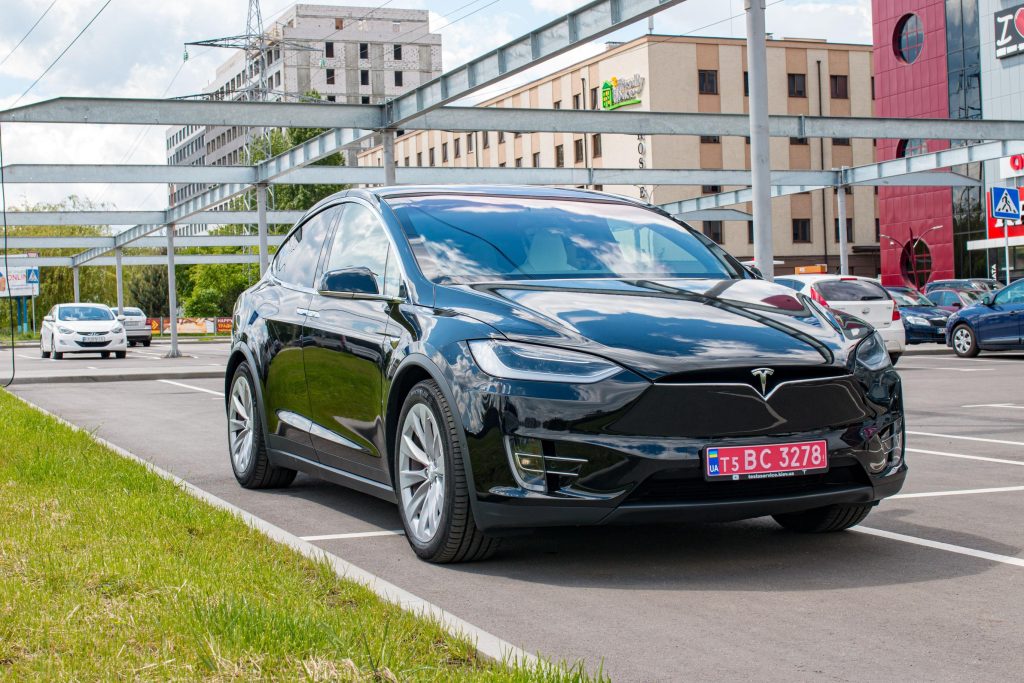
Road trips require a slightly different mindset than driving a gasoline-powered vehicle. Instead of stopping only when the tank is nearly empty, EV drivers often plan charging stops in advance.
Fortunately, many navigation systems automatically calculate charging locations along the route. Smartphone apps also display charger availability, charging speed, and estimated wait times.
Planning breaks around charging sessions can actually make long trips more enjoyable. Rather than rushing from one destination to another, drivers have scheduled opportunities to rest, eat, and stretch.
With today’s growing charging infrastructure, long-distance EV travel continues to become easier every year.
Road-trip charging tips include:
- Plan charging stops ahead of time
- Use navigation apps
- Charge during meal breaks
- Avoid arriving with an empty battery
- Monitor charger availability
Charging and Long-Term Vehicle Maintenance
One advantage of electric vehicles is their relatively simple mechanical design. Because EVs have fewer moving parts than traditional gasoline vehicles, they generally require less routine maintenance.
Proper charging habits contribute to battery longevity. Avoiding extreme battery levels, using recommended chargers, and following manufacturer guidelines can help maximize battery life.
This reduced maintenance also contributes to saving money on car repairs over the life of the vehicle. Without engine oil changes, spark plugs, timing belts, or many traditional engine components, EV owners often experience lower maintenance costs than owners of conventional vehicles.
Routine inspections, tire maintenance, brake service, and software updates remain important, but overall maintenance requirements are generally lower.
Important maintenance habits include:
- Follow charging recommendations
- Rotate tires regularly
- Maintain proper tire pressure
- Schedule brake inspections
- Install software updates
How Charging Technology Continues to Improve
Electric vehicle technology continues to advance rapidly. New battery designs, faster charging equipment, and expanded charging networks are making EV ownership more practical than ever.
Manufacturers are developing batteries capable of accepting higher charging rates without sacrificing battery life. Public charging stations are also becoming faster, allowing some vehicles to recover hundreds of miles of range in less than 30 minutes.
As charging technology improves, businesses connected to the automotive industry continue to evolve as well. Entrepreneurs interested in starting an auto repair shop may increasingly consider investing in technician training, specialized EV diagnostic equipment, and charging-related services to meet the growing demand for electric vehicle maintenance.
These improvements are helping make electric transportation more accessible for drivers everywhere.
Emerging charging improvements include:
- Faster charging stations
- Improved battery technology
- Expanded charging networks
- Better navigation software
- More EV service expertise
Is an Electric Vehicle Right for You?
Charging time is only one factor to consider when deciding whether to purchase an electric vehicle. Daily driving habits, home charging availability, local charging infrastructure, and travel patterns all influence the ownership experience.
For many drivers, charging becomes part of their normal routine rather than an inconvenience. Instead of making separate trips to refuel, they simply plug in their vehicle at home and begin each day with a charged battery.
Understanding how charging works helps eliminate uncertainty and allows prospective buyers to make informed decisions. As charging networks continue to expand and technology advances, electric vehicles are becoming an increasingly practical option for a wide range of drivers.
Questions to ask before buying an EV:
- How far do I drive each day?
- Can I install a home charger?
- Are public chargers available nearby?
- Do I frequently take long road trips?
- Which charging level best fits my lifestyle?
Final Thoughts
Charging an electric vehicle is different from refueling a gasoline-powered car, but it quickly becomes a familiar part of everyday life. Whether charging overnight at home or stopping briefly at a fast charger during a road trip, today’s charging options offer flexibility for nearly every driving routine.
Understanding the differences between Level 1, Level 2, and DC fast charging helps drivers choose the best solution for their needs. Factors such as battery size, charging equipment, weather, and daily driving habits all influence charging times, making it important to understand what to expect before purchasing an EV.
As battery technology continues to improve and charging infrastructure expands, owning an electric vehicle will likely become even more convenient. By learning how charging works and developing good charging habits, drivers can enjoy the many benefits of electric transportation while confidently planning both daily commutes and long-distance adventures.